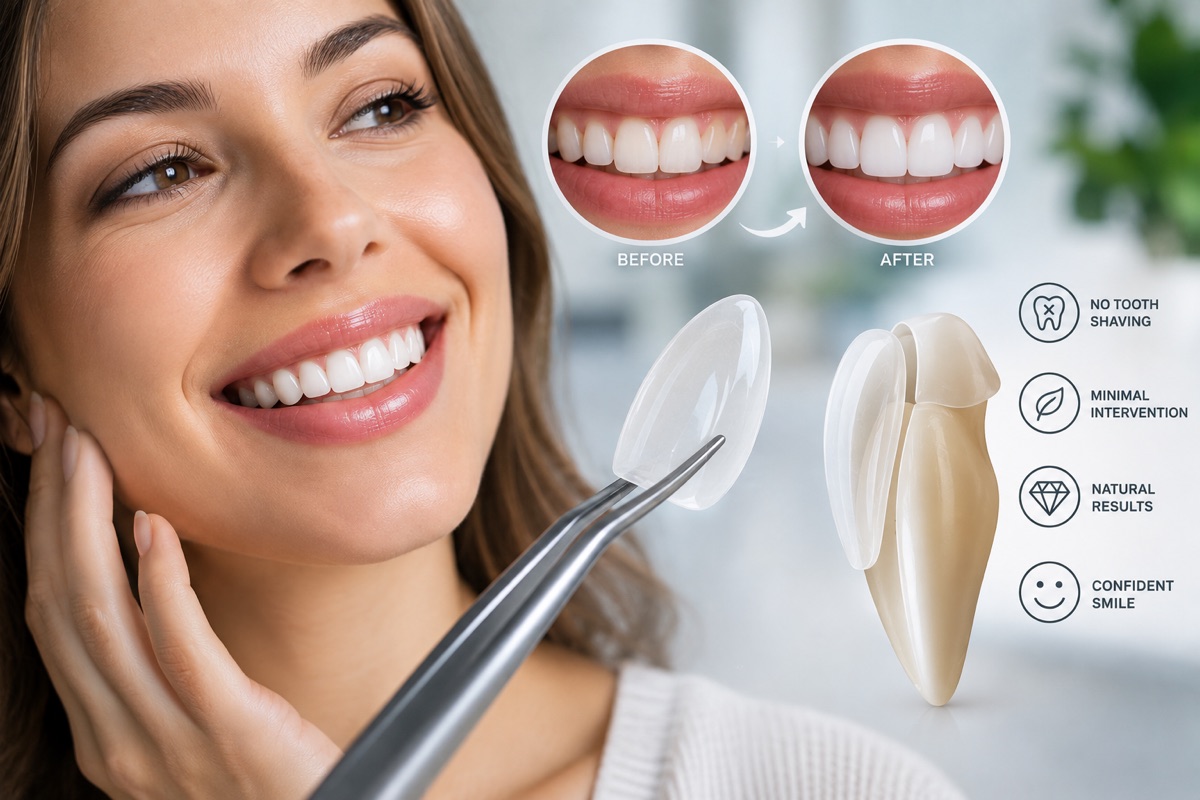

If you are considering veneers, one of the first questions on your mind is probably: how long do veneers last? Porcelain veneers are among the most durable cosmetic treatments in modern dentistry, and with the right planning and care they can look and function beautifully for many years. But veneer lifespan is not the same for everyone. The material, the condition of your natural teeth, your daily habits and regular check-ups all play a role. In this guide we explain how long porcelain veneers typically last, when they need to be replaced and what you can do to make them last as long as possible.
How Long Do Porcelain Veneers Last?
Clinical studies show that the vast majority of well-made porcelain veneers are still in good condition ten years after placement. On average, porcelain veneers last 10 to 15 years, and in well-maintained cases they can last 15 to 20 years or even longer. Composite (resin) veneers have a shorter lifespan and usually need polishing, repair or replacement within about 5 to 7 years.
It is important to understand that these numbers are averages, not an expiry date. Veneers do not suddenly fail once a certain number of years has passed. Their real lifespan depends on the forces they are exposed to every day and on how well they are looked after.
Porcelain vs Composite Veneers
- Porcelain veneers (e.max or feldspathic ceramic): Custom-made in a dental laboratory with a hard, glazed surface. They are highly resistant to wear and staining and are the longest-lasting option.
- Composite veneers: Sculpted directly on the tooth, usually in a single visit. They are more affordable, but more prone to chipping, wear and discoloration over time.
What Affects Veneer Lifespan?
Even with the same material, porcelain veneers lifespan can vary considerably from one patient to another. The main factors are:
- Teeth grinding and clenching (bruxism): Grinding, especially at night, is one of the most common reasons veneers chip or come loose. A custom night guard can significantly extend their life.
- Oral hygiene: The veneer itself cannot decay, but the natural tooth underneath and the surrounding gums can. Plaque around the edges can lead to decay and gum recession.
- Habits: Biting nails, chewing pens, opening packages with your teeth or biting into very hard foods with your front teeth can crack porcelain.
- Bonding quality: Veneers bonded to healthy enamel with the correct protocol have excellent long-term retention.
- Regular check-ups: Dental visits every six months allow small issues to be spotted before they become bigger problems.
Can Veneers Fall Off or Break?
Properly bonded veneers rarely come off. Modern adhesive systems create a very strong bond, so the veneer and the tooth work almost as a single unit. However, a hard impact, severe grinding or gradual weakening of the bond can occasionally cause a veneer to come loose. If this happens and the veneer is intact, it can often be re-bonded. Keep it somewhere safe and see your dentist as soon as possible rather than trying to glue it back yourself.
Porcelain is strong, but like glass it can crack under sudden, excessive force. Small edge chips can sometimes be polished or repaired, while larger fractures usually mean that the veneer needs to be replaced.
Do Veneers Need to Be Replaced?
Veneers can be replaced, but this is done when there is a clinical or cosmetic reason, not simply because a certain number of years has gone by. Signs that it may be time to consider replacement include:
- Cracks, chips or visible wear on the veneer
- A veneer that feels loose or has come off
- Gum recession exposing the edge of the veneer
- Dark lines or discoloration along the margins
- Decay or sensitivity under the veneer
- A noticeable color mismatch with neighboring natural teeth
What Happens When Veneers Get Old?
When old veneers are replaced, the existing veneer is carefully removed and the tooth underneath is examined. If the tooth is healthy, a new scan or impression is taken, the shade and shape are redesigned and new veneers are made. Because traditional veneers usually involve removing a thin layer of enamel, the tooth cannot return to its original state. Replacing a veneer therefore typically means placing a new veneer or another suitable restoration. This decision should always be made after a thorough examination.
Do Veneers Last Forever?
No dental restoration lasts forever. That said, high-quality porcelain veneers placed in the right patient and cared for properly can last for decades. The healthiest mindset is a realistic one: veneers are a long-term investment, and at some point a minor repair or replacement may be needed.
How to Make Your Veneers Last Longer
- Brush twice a day with a soft-bristled toothbrush and a non-abrasive toothpaste.
- Floss or use interdental brushes to clean around the edges of your veneers.
- Wear your night guard if you grind or clench your teeth.
- Avoid biting ice, hard shells or other very hard foods with your front teeth.
- Use a mouthguard during contact sports.
- Keep up with check-ups and professional cleanings every six months.
Wondering whether veneers change color over time? Read our guide Do Porcelain Veneers Stain or Change Color Over Time? If you are still deciding between treatments, see Veneers vs Zirconia Crowns: Which One Is Right for Me?
Frequently Asked Questions
Can veneers last 20 years?
Yes. With good oral hygiene, a night guard when needed and regular dental check-ups, porcelain veneers can last 20 years or more.
How long do veneers last on front teeth?
Front-tooth veneers generally follow the same 10 to 15 year average. Because front teeth are used for biting, avoiding very hard foods and habits like nail biting is especially important.
How do you know when veneers need replacing?
Chips, cracks, looseness, dark margins, gum recession or sensitivity are common signs. Your dentist can assess whether a repair, re-bonding or a new veneer is the best option.
Planning Long-Lasting Veneers at Dentavita
Long-lasting veneers start with the right diagnosis and careful planning. At Dentavita in Istanbul, your tooth structure, bite and habits are assessed before the most suitable type of veneer is recommended. Learn more about porcelain veneers in Turkey or contact us to plan your consultation.