
One of the first questions patients ask after dental implant surgery is simple: “What can I eat?”
Nutrition is one of the most overlooked yet most helpful parts of dental implant recovery. Eating the right foods improves comfort and supports the healing process.
This guide walks through dental implant aftercare during the first days, step by step.
The First 24 Hours After Dental Implant Surgery
The first day is the most sensitive period. During this time:
- Avoid hot food and drinks
- Choose cool or lukewarm, soft foods
- Do not drink through a straw (suction can disturb the clot)
- Chew on the opposite side of the treated area
Mild swelling and discomfort after dental implant surgery are common; cold compresses usually help.
Best Soft Foods After Dental Implant Surgery
Soft, nourishing options are ideal in the early days:
- Yogurt, kefir and milk
- Soups (served lukewarm)
- Mashed potatoes and vegetable purees
- Soft fruits such as banana and avocado
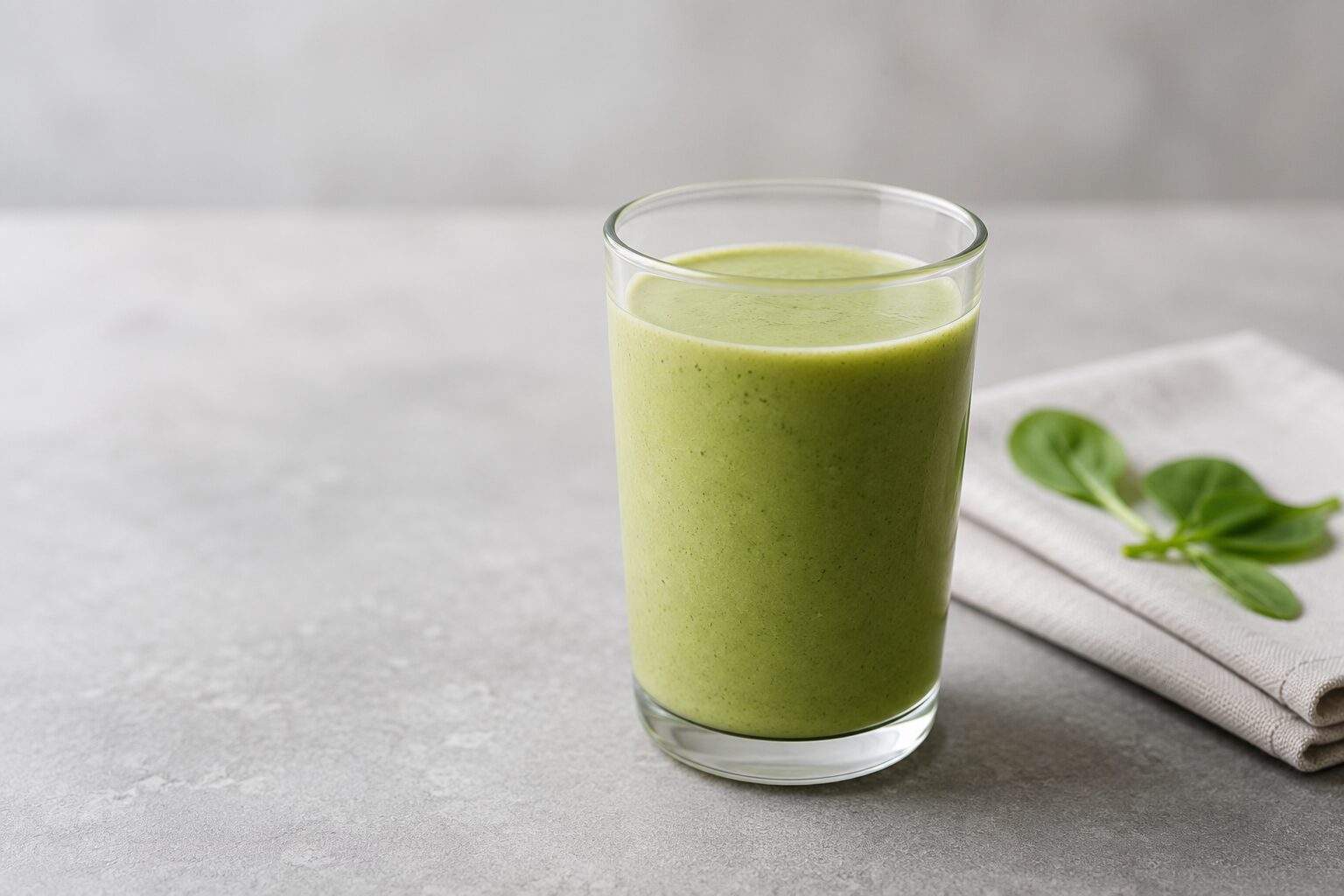
- Smoothies (without a straw)
- Eggs and cottage cheese
- Well-cooked soft pasta or rice
Foods to Avoid After Dental Implants
Diet is the first item on any list of dental implant recovery tips. Try to avoid:
- Hard and crunchy foods (nuts, chips)
- Sticky foods
- Very hot meals and drinks
- Spicy and acidic foods
- Small seeds and grains that can enter the surgical site
- Alcohol and smoking
Smoking is one of the most significant factors that can negatively affect healing.
The First Week After Dental Implant Surgery
The first week is usually a period of gradual improvement:
- Days 1-2: Swelling and tenderness are most noticeable
- Days 3-4: Swelling typically begins to subside
- Days 5-7: Most patients feel considerably better
Continuing a soft diet through this period is the safest approach.
Oral Care After Dental Implants
Good hygiene is essential, but the area needs gentle handling:
- Use any mouthwash exactly as your dentist prescribed
- Keep brushing your other teeth normally
- Clean around the surgical site gently in the early days
- Stay well hydrated
Healing, Osseointegration and Nutrition
Osseointegration, the process of the implant fusing with bone, takes weeks. Supporting your body with good nutrition matters during dental implant healing stages:
- Protein (eggs, dairy, well-cooked soft meats)
- Foods containing calcium and vitamin D
- Adequate fluid intake
How Long After Dental Implants Can I Eat Normally?
Most patients find chewing more comfortable within a few days. However, returning to harder foods should be gradual and guided by your dentist’s timeline, since dental implant recovery time varies from person to person.
When Should You Contact Your Dentist?
- Pain increases instead of gradually easing
- Swelling persists strongly beyond the first few days
- There is bleeding that does not stop
- Fever or a bad odour develops
Final Thoughts
Your diet is a quiet but powerful supporter of dental implant recovery. Choosing soft, lukewarm and nourishing foods in the first days, while avoiding hard, hot and irritating ones, makes a noticeable difference in comfort.
Above all, follow the personalised post-operative care instructions given by your dentist.