

Are Ceramic Implants Really Better, or Just “Whiter”?
When researching dental implants, most people eventually come across ceramic implants.
And almost everyone asks the same question:
“Is there a real difference, or do they just look more aesthetic?”
On one side, there are titanium implants. Proven, reliable, and widely used for years.
On the other, ceramic implants. Metal-free, white in color, and often associated with aesthetics.
This is where many patients pause and wonder:
“Which option actually makes more sense for me?”
Because this decision is not only about replacing a tooth.
It is about feeling comfortable when smiling, not questioning whether the gum line looks artificial,
and sometimes simply not wanting metal in the body.
This article focuses not on definitions, but on who ceramic implants truly make sense for.
What Does a Ceramic Implant Mean?
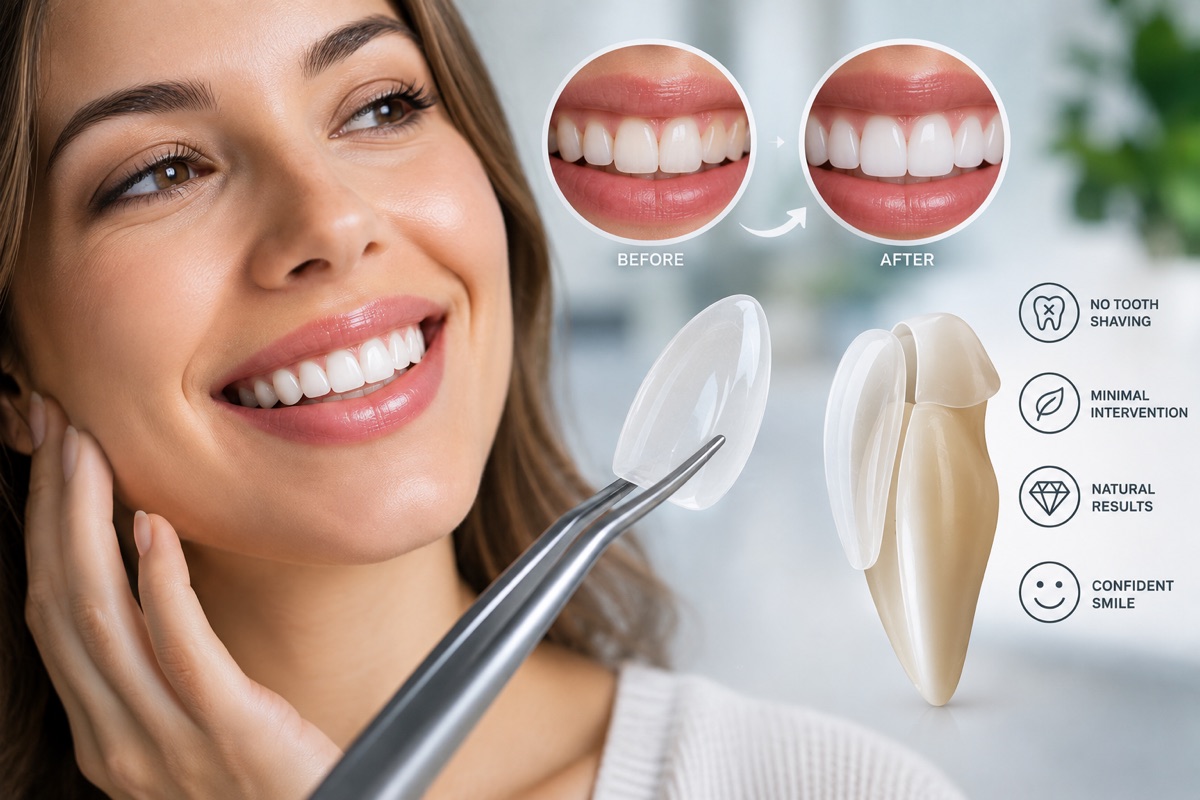
Ceramic implants are metal-free implant systems, most commonly made from zirconia. Their white color is the most visible difference compared to titanium implants, but aesthetics are not the only reason they are considered.
They are often evaluated in cases where gum appearance and natural integration are especially important, particularly in the front teeth area.
Why Does “Metal-Free” Matter?
Some patients have concerns about metal sensitivity, while others prefer to avoid metal altogether, even without a diagnosed allergy. This is a valid personal preference.
Because ceramic implants contain no metal:
- The risk of dark gum shadows is reduced
- A more natural gum appearance may be achieved
- Aesthetic concerns can be addressed more comfortably
These differences are often more noticeable in patients with thin gum tissue.
Are Ceramic Implants Suitable for Everyone?
No.
Ceramic implants are not automatically the right choice for every patient.
They are typically considered when:
- Implants are planned in the front teeth area
- Aesthetic expectations are high
- There is concern about metal sensitivity
- Gum appearance is a priority
For back teeth or cases requiring very high biting forces, titanium implants may be the more practical option. The key question is not “which is better,” but “which is more suitable for the individual.”
Ceramic vs Titanium Implants
Viewing these systems as competitors often leads to confusion.
Titanium implants are long-established, highly durable, and suitable for a wide range of cases.
Ceramic implants, on the other hand:
- Are chosen for more selective cases
- Focus on aesthetics and biological harmony
- Prioritize a natural-looking result
They serve different purposes rather than replacing one another.
Is There a Difference in Daily Life?
When properly planned, ceramic implants feel natural during speaking, smiling, and daily activities. They do not create a foreign sensation in the mouth.
Patients often notice the difference most in the gum area, where the transition between the implant and natural tissue appears softer and more natural.
Final Thoughts: Do Ceramic Implants Make Sense?
Yes, for the right patient.
But not for everyone.
Ceramic implants are designed for patients with specific aesthetic and biological expectations. The best decision is always made through an individualized evaluation rather than general assumptions.